
 Ben Nettesheim
 Running a successful roofing business involves more than installing shingles and completing repairs. It also means managing customer relationships, project timelines, crews, inventory, and finances. A Roofing Customer Relationship Management (CRM) software can simplify these tasks, helping your business grow.
But what exactly is a roofing CRM, and why does your business need one?
Understanding a Roofing CRM
A roofing CRM is specialized software designed to streamline operations, enhance productivity, and improve customer interactions for roofing companies. Unlike generic CRM software, roofing CRMs address the specific challenges of the roofing industry, such as managing estimates, scheduling jobs, and tracking materials.
Key Features of a Roofing CRM
Here are essential features to look for in a top roofing CRM:
1. Mobile Accessibility
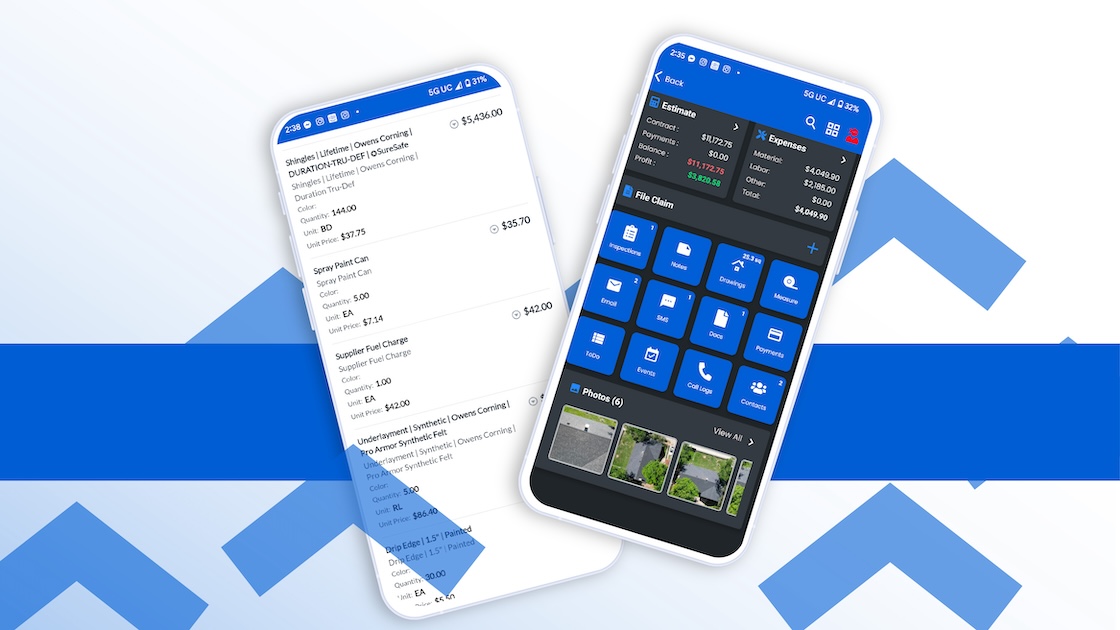
Roofing crews are constantly on the move. A mobile-friendly CRM lets your team update project statuses, capture job-site photos, and send estimates directly from the field. This keeps your entire team connected and efficient.
2. Scalability
Your CRM should easily scale as your business grows, managing more leads, projects, and team members without performance issues. RoofLink grows with your business, ensuring you always stay efficient.
3. Estimating & Proposals
Quick and accurate estimates are crucial. Roofing CRMs use native and integrated tools like aerial measurement to help contractors create professional, precise quotes in minutes.
4. Job Scheduling & Project Management
Efficient scheduling tools that work with calendars you’re already using help you assign tasks, track progress, and keep your team aligned. This reduces downtime and prevents miscommunication.
5. Material Tracking & Inventory Management
Roofing involves detailed material management. CRMs simplify inventory tracking, ordering, and scheduling deliveries, ensuring materials arrive on time.
6. Customer Management & Communication
Effective customer management is central to roofing CRMs. They consolidate customer data, project history, and communication logs. Features like two-way texting and automated email follow-ups improve customer engagement.
7. Invoicing & Financial Integration
Roofing CRMs streamline billing and payments, often integrating directly with accounting systems like QuickBooks. This simplifies invoicing, collection, and financial tracking.
8. Integration with Roofing-Specific Tools
Top CRMs integrate with roofing-specific tools, creating a connected workflow without redundant data.
Why Your Roofing Business Needs a CRM
Adopting a roofing CRM offers clear benefits:
- Increased Efficiency: Automates routine tasks, letting your team focus on sales and quality work.
- Enhanced Customer Satisfaction: Better communication leads to repeat business and referrals.
- Better Decision-Making: Analytics provide real-time insights to make informed decisions.
- Reduced Administrative Overhead: Allows for an efficient administration, cutting down on costs.
RoofLink: Your All-in-One Roofing CRM Solution
RoofLink stands out as an industry-leading CRM tailored specifically for roofing businesses. With comprehensive tools covering every aspect of your workflow, RoofLink offers unmatched capabilities and seamless integrations. Its intuitive design makes it easy to adopt, while powerful features ensure your business runs efficiently as you grow.
👉 Get started with RoofLink today to experience the best dedicated roofing CRM.


